The Bid Rent Curve Helps Explain Soaring Prices In Urban Centers

Housing is particularly prone to bubbles because, in contrast with other products, we seem to want it more when it is expensive and less when it is cheap. And no matter how many times we look out an airplane window to see vast acres of emptiness, we somehow still believe that land is a great investment because nobody is making more of it.In practice, farmland or wilderness is most likely to be developed as suburban sprawl. Many miles from downtown, these greenfield lots’ primary attraction is to host McMansion subdivisions with big lawns and three-car garages, not urban style neighborhoods. And because we are more than 70 years into the automobile-based suburban sprawl, much of the empty space that is within easy commuting distance of a central business district has already been consumed. Expanding high capacity transit lines into “emptier” areas can help urban development branch out, but it’s a risky public investment and ultimately older neighborhoods that grew around former streetcar lines often end up remaining the higher demand areas.
Land Values Reflect Current Use And Zoned Capacity
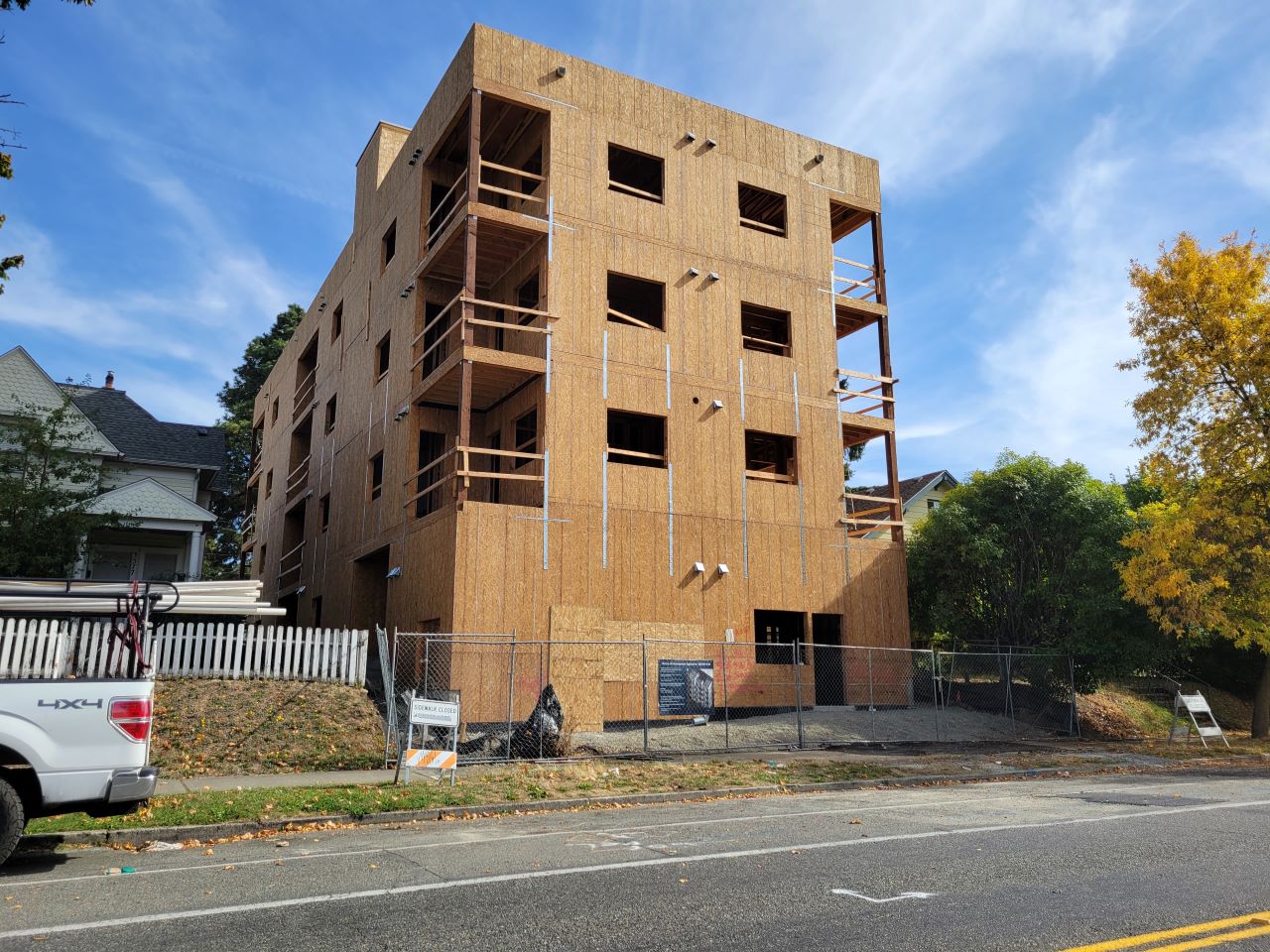
The suburban sprawl that rings urban cores can impede urban growth and cause housing costs to rise. We’ve squandered many of our greenfield development opportunities generations ago with low-density uses. Infill development is simple enough where vacant lots or depleted stock can be turned over in otherwise urban neighborhoods. But it’s harder for infill to take hold in suburbs without good “bones” for urban development. Dense mixed use buildings don’t work well with cul-de-sacs and curvy collectors. Plus, in a booming metropolitan area, suburban blocks that might be suitable for urban redevelopment often already have considerable value as detached homes, not to mention current inhabitants who would need to be willing to sell for that redevelopment to happen. Cities that upzone single-family residential zones may see them redevelop over time and gradually urbanize suburban sprawl. Urban development still typically follows frequent transit lines with a reasonable commute to downtown and gravitates toward places with good amenities: parks, high-performing schools, vibrant commercial districts, and scenic views. And conversely, perception that an area is high crime can stunt redevelopment, even if that perception is more rooted in racial stereotypes than hard data. In sum total, this means urbanization isn’t likely to happen just anywhere.
Other Reasons To Urbanize Zoning
Overly simplistic theories can be seductive, but there’s nothing simple about rapid urban growth in an area hemmed in by extensive suburban sprawl. We should urbanize zoning–more lowrise multi-family residential zoning in many more places, mid-rise near high capacity transit, and high-rise zoning near light rail stations–because we don’t have many other ways to meet demand when suburban sprawl has already consumed most readily available land between Everett and Tacoma. And unlike suburban sprawl, urban development is much more likely to financially support itself rather than working like a Ponzi scheme. This is very important to the long-term health of our communities and the local government bodies that service them.

A thought experiment: What would happen if we all stopped thinking of our homes as investments? https://t.co/ruBuxkc6My pic.twitter.com/V3iNbObRrU
— The Upshot (@UpshotNYT) February 13, 2017
Why Seattle Needs Inclusionary Zoning, Explained By The Bid-Rent Curve