How The City Considers Zoning Changes
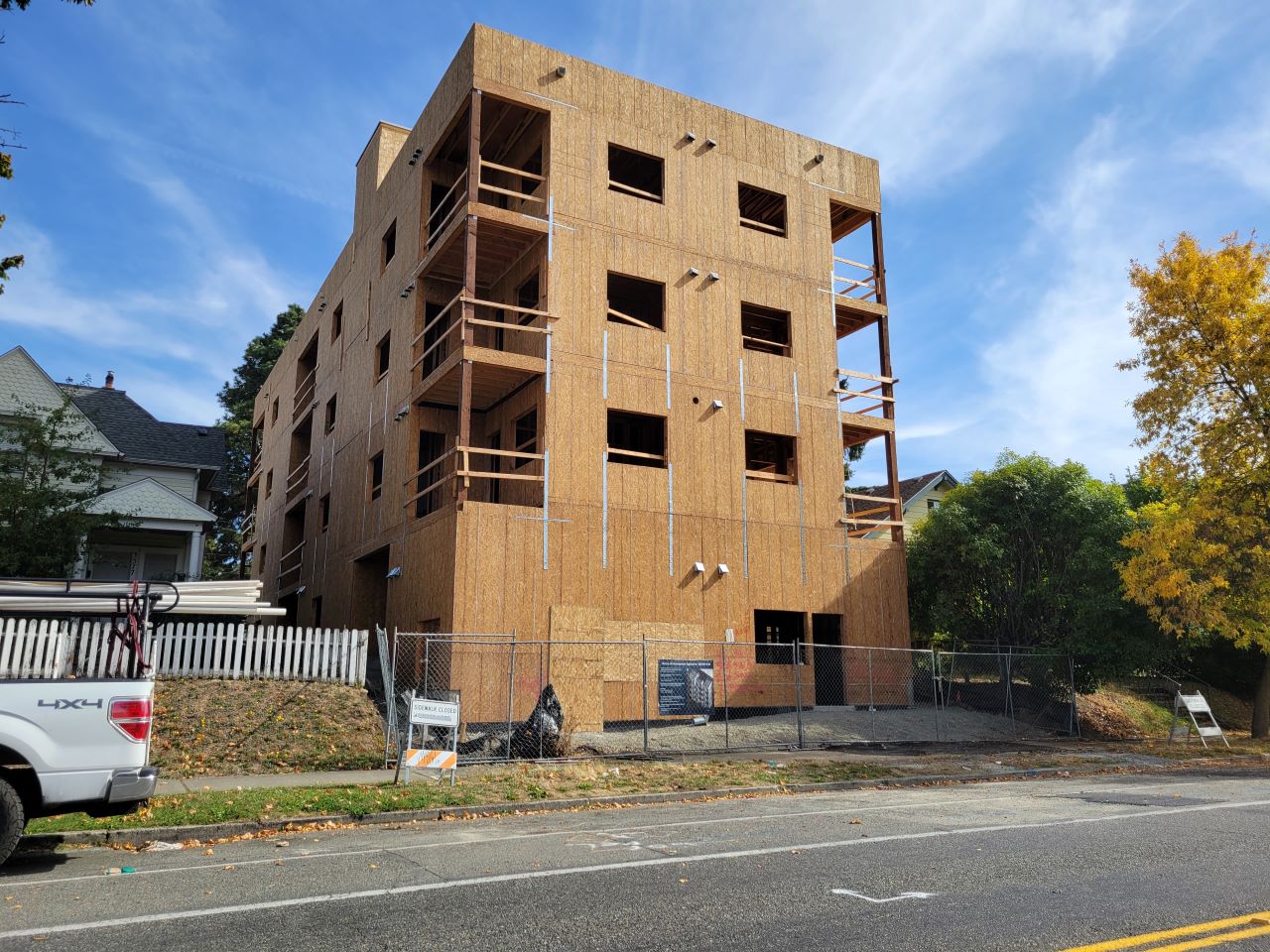
Generally, there’s very limited opportunity to rezone property because the City typically does it systemically, targeting areas that are prioritized after years of study and feedback, in accordance with comprehensive regional planning. Unfortunately for Brown, those opportunities only happen occasionally and he just missed one. His efforts and comments came too late in the Ballard Urban Design Framework process to have an impact. Fortunately for him, the city is discussing something called HALA, a list of recommendations that includes rezones. The City Council is currently waiting on an environmental impact study before a vote on rezones–called Mandatory Housing Affordability—in Ballard. The policy requires new construction to contribute to affordable housing. If the study shows what the Council expects, they will likely vote to rezone portions of Ballard in the fall to increase development capacity and generate affordable housing. Planners indicated the study will provide two alternatives for Ballard, one of which includes rezoning Brown and Olsen’s block. The Ballard rezone is a tiny piece within a multi-decade process to set requirements on new development. The rezones and affordable housing requirements are being done concurrently to protect the policy against lawsuits and generate the most affordability. The City Council already implemented the policy in Downtown, South Lake Union, and the University District. Initially, the policy was attacked from different constituencies. Developer lobbyists and their sympathizers feared it would kill development. NIMBYs said the policy was being pushed by developers and the rich. They also said it would destroy neighborhoood character and displace people. Other groups were very supportive and many academics who study these types of policies generally support them. In fact, Seattle is already seeing successes where developers are scrapping their old plans and opting to pay for affordable housing. This means Seattle is getting more market housing and affordable housing dollars, both of which wouldn’t have existed without the policy. So far, it appears to be a win-win-win for urbanism, environmentalism, and affordable housing. Whether or not the final HALA rezone includes Brown and Olsen’s block depends on the solution adopted by city council. The council could adopt an alternative released in the study or a hybrid and the feedback received from the public will determine that.What Zoning Is Fair?
Seattle’s Urban Village designation is primarily meant to indicate where growth should occur in the city. The designation typically surrounds areas with amenities, such as schools, businesses, and frequent transit–areas like Scott Brown and Lee Olsen’s block. It’s not clear why their neighborhood isn’t included in the Ballard Urban Village. Regardless though, the line for the Urban Village is drawn at 32nd Ave NW adjacent to their block.


 Lipp also mentioned a common complaint, more housing will worsen parking in the neighborhood. Perhaps surprisingly, Scott Brown mentioned the same complaint while advocating for the upzone. Brown bought into the neighborhood because it was a quiet, mostly single-family neighborhood. He said he knew his neighbors and felt comfortable with his daughter playing in the front yard or street. In fact, changes from the additional townhomes across the street helped clarify the situation for Brown. “The street changed as people built more,” Browns said, “we wouldn’t have moved here if this was here.”
While the neighborhood is no longer the one he bought into, he doesn’t oppose development. Instead, he just thinks it’s fair for him to have options. There are a lot of single family neighborhoods to choose from in the region and if he could afford to move he might be able to live closer to his mom. Alternatively, multi-family zoning might even mean he could stay in the neighborhood and build a place for his mother on the same property. Both Olsen and Brown agree that it doesn’t make sense their neighbor can sell their house for a much higher price and change the neighborhood but they can’t do the same.
Remarkably both Scott Brown and Adrian Lipp worry about similar changes. Regardless of the zoning, the neighborhood will change. They’ve just come to different conclusions about the best solution.
Soon the rest of the city will get a chance to provide input. The conversation among Lipp, Brown and Olsen regarding property values, density, parking, sunlight, and aesthetics will be expanded to consider the city’s larger goals regarding affordability, transportation, and how to plan well for growth.
Lines between single-family and multi-family zones exist all over the city and similar conversations are happening everywhere. It’s clear there is a lot of disagreement about what is fair. The conversations are personal and each person’s preferences impacts their neighbors. Planning exists to balance the private interest of each owner with what’s best for the neighborhood and city. Generally speaking, that’s why the city is pursuing the HALA recommendations. Specifically what those changes look like will be up to the City Council, which is expected to vote on changes in the next few months.
Lipp also mentioned a common complaint, more housing will worsen parking in the neighborhood. Perhaps surprisingly, Scott Brown mentioned the same complaint while advocating for the upzone. Brown bought into the neighborhood because it was a quiet, mostly single-family neighborhood. He said he knew his neighbors and felt comfortable with his daughter playing in the front yard or street. In fact, changes from the additional townhomes across the street helped clarify the situation for Brown. “The street changed as people built more,” Browns said, “we wouldn’t have moved here if this was here.”
While the neighborhood is no longer the one he bought into, he doesn’t oppose development. Instead, he just thinks it’s fair for him to have options. There are a lot of single family neighborhoods to choose from in the region and if he could afford to move he might be able to live closer to his mom. Alternatively, multi-family zoning might even mean he could stay in the neighborhood and build a place for his mother on the same property. Both Olsen and Brown agree that it doesn’t make sense their neighbor can sell their house for a much higher price and change the neighborhood but they can’t do the same.
Remarkably both Scott Brown and Adrian Lipp worry about similar changes. Regardless of the zoning, the neighborhood will change. They’ve just come to different conclusions about the best solution.
Soon the rest of the city will get a chance to provide input. The conversation among Lipp, Brown and Olsen regarding property values, density, parking, sunlight, and aesthetics will be expanded to consider the city’s larger goals regarding affordability, transportation, and how to plan well for growth.
Lines between single-family and multi-family zones exist all over the city and similar conversations are happening everywhere. It’s clear there is a lot of disagreement about what is fair. The conversations are personal and each person’s preferences impacts their neighbors. Planning exists to balance the private interest of each owner with what’s best for the neighborhood and city. Generally speaking, that’s why the city is pursuing the HALA recommendations. Specifically what those changes look like will be up to the City Council, which is expected to vote on changes in the next few months.