Fremont Contract Rezone
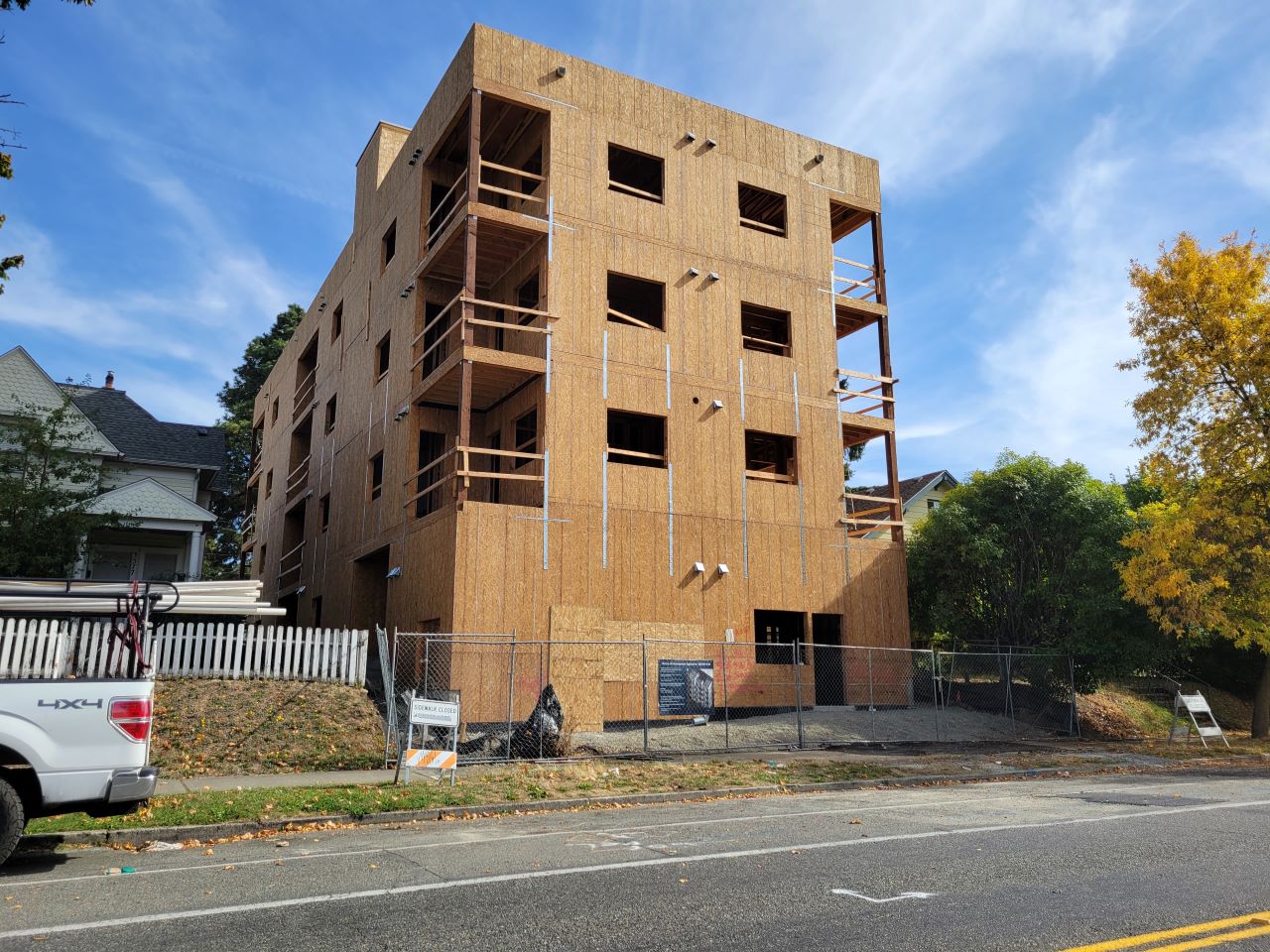
A 54-dwelling unit, 1,915-square foot commercial project in Fremont (734 N 35th St) has been working its way through the land use approval process since September 2014. To date, the project has received design review approval from the Northeast Design Review Board and a City Hearing Examiner reviewed the corresponding contract rezone last year, recommending approval subject to recording of a property use and development agreement and payment or construction of affordable housing. Fremont Apartments, LLC is backing the mixed-use project and hopes to win final approval of the contract rezone from full City Council.


Displacement Analysis
Councilmember Lisa Herbold is sponsoring a resolution that would require the Office of Planning and Community Development (OPCD) to conduct a “detailed analysis of the potential for residential displacement, both direct and indirect, that could result from increases in development capacity.” The resolution would direct that the analysis evaluate if proposed development capacity increases would increase or decrease residential displacement due to demolition, and if they would introduce or speed up changing socioeconomic conditions that could result in displacement of vulnerable populations. The resolution would also specifically require, but not limit, the scope of the analysis to include information on:- Population and household characteristics (e.g., age, race, ability, and income status), including change over time;
- Housing characteristics, which is broken up into three buckets–housing stock (e.g., housing mix, housing tenure, housing age, vacancy rates, and recent demolitions), housing affordability (e.g., cost burden, average monthly rent by age of structure, and average monthly rent by number of bedrooms), and housing supply (e.g., anticipated new units and affordable units);
- Redevelopment characteristics of sites (e.g., number of redevelopment sites currently and under proposed rezoning, likelihood of development over the next 20 years, number of existing dwelling units, and estimate of number of low-income tenants that could be displaced);
- Types of displacement (e.g., economic, cultural, and direct), which would be mapped to depict where it could occur;
- Qualities of anticipated growth (e.g., market strength, access to opportunity, and different applications of MHA) for each neighborhood, urban center, and urban village; and
- Recommendations on appropriate mitigation strategies that could respond to dwelling units that are at risk of demolition and vulnerable populations at risk of displacement.